
Emissions compliance has been a thorn in the side of the automotive industry for years. While some of that is the result of growing pains necessary to build a better car, select features have proven so unpopular with drivers that they’ll actively avoid them whenever possible.
Diesel ownership has declined immensely in the United States and Europe since 2015 due to fallout from the industry failing to adhere to stringent emission regulations (e.g. Dieselgate). While they’re still in broad use within the realm of commercial vehicles, diesel engines have become exceptionally rare on the passenger side of the market due to rising costs and additional maintenance concerns.
Regulations have effectively taken them off the table for the vast majority of drivers and entire vehicle segments have been wiped out as a result.
Gasoline-powered automobiles have had it significantly easier. But they’ve similarly found themselves hampered by years of government regulations. This has resulted in headaches for millions of customers who don’t want to make compromises on major purchases for the sake of emissions mitigation. Even manufacturers have found themselves caught in situations where chasing regulatory compliance ended up creating extra problems.
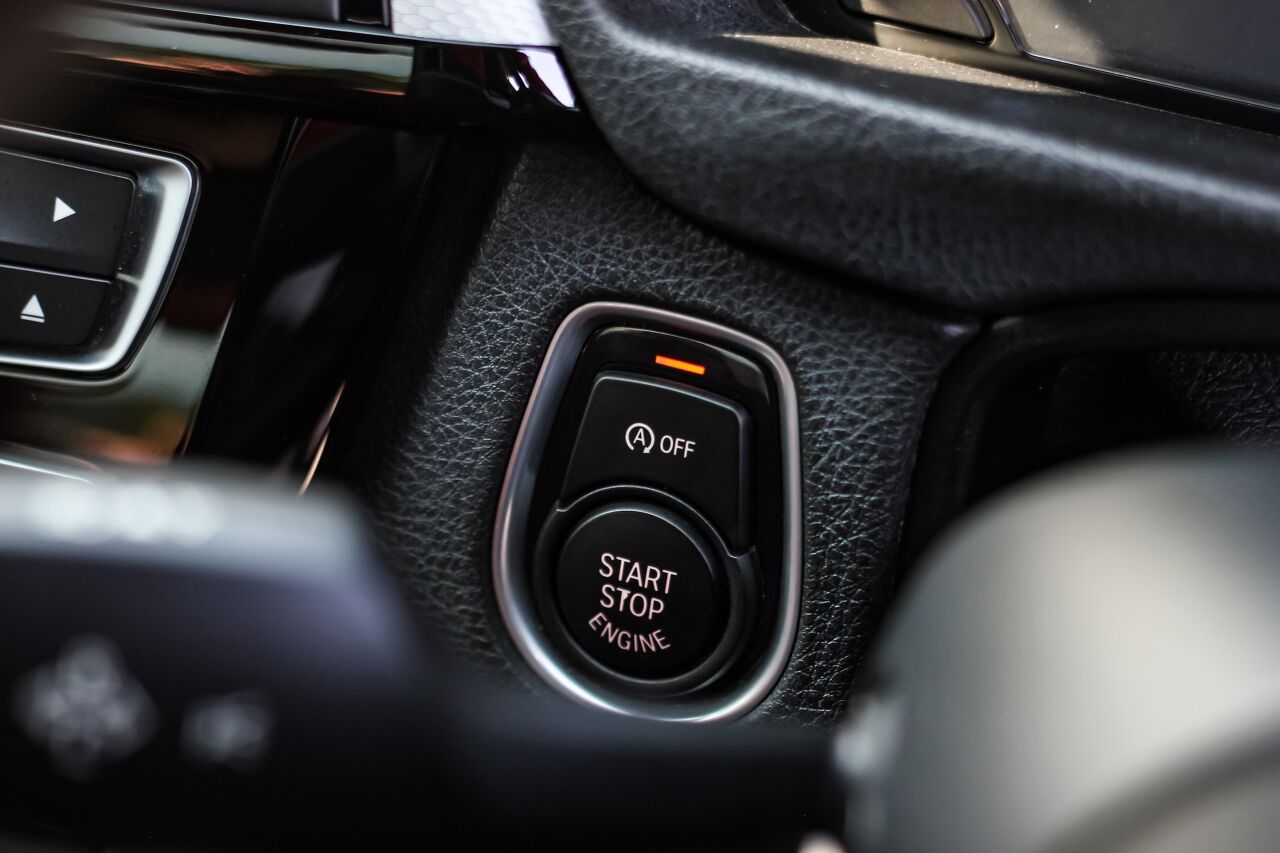
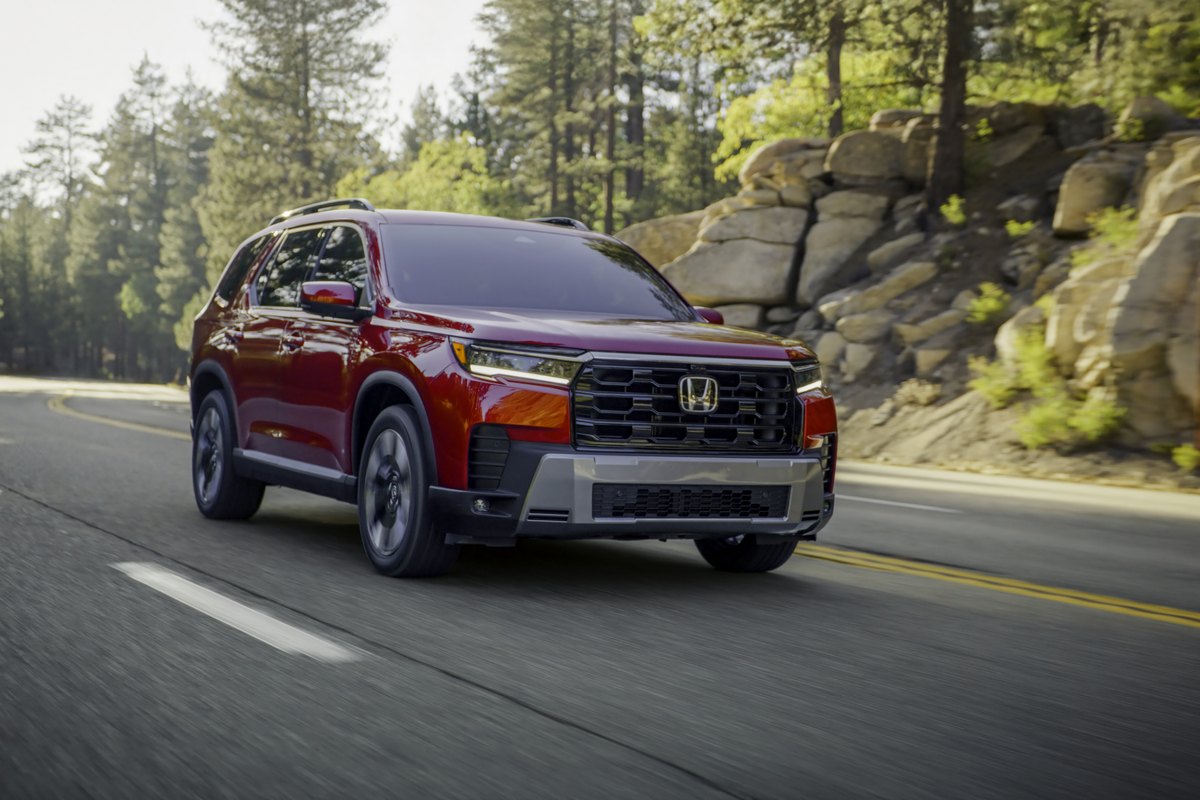
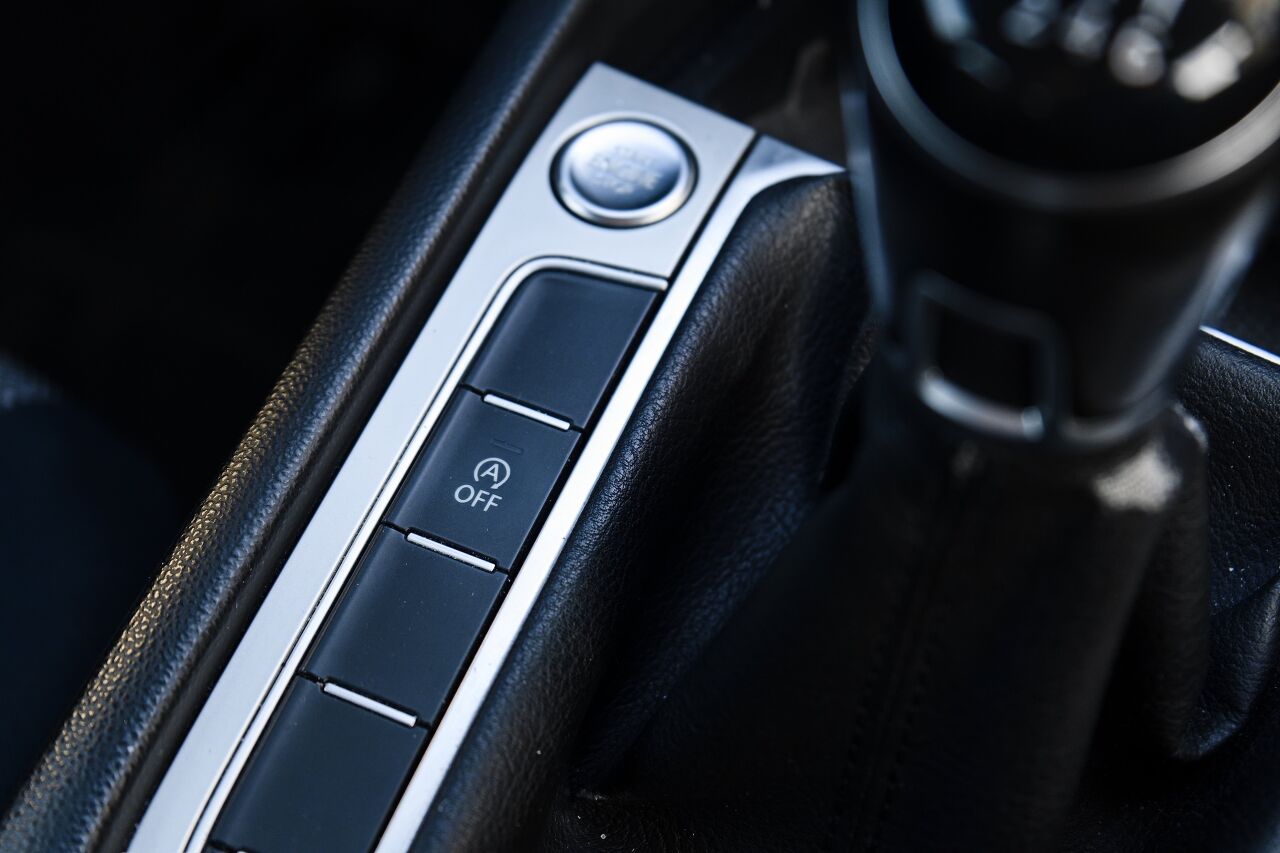
For example, over a million Honda vehicles are presently under investigation by the National Highway Traffic Safety Administration (NHTSA) after numerous complaints were made about compromised auto start-stop systems. The feature, which routinely ranks as the least-popular among surveyed drivers, is reportedly stopping and then never starting back up. The situation has apparently left numerous drivers embarrassingly stranded at intersections and isn’t likely to be winning over anyone still sitting on the fence about endorsing emission-compliance systems.
General Motors actually had to endure a sizable recall pertaining to a defective start-stop accumulator in 2020. The units were apparently inappropriately assembled. However, the bigger issue isn’t that these systems can be defective. Any component can be a dud. The core problem is that they’re broadly unpopular, have largely been foisted upon drivers against their will, and will presumably continue to yield less dependable designs by adding complexity.
Whenever the automotive industry decides to introduce a bunch of new technologies, the move is typically accompanied by a sudden decline in average reliability. This is cyclical and frequently pertains to regulatory activity. For us, noticeable changes started to manifest around 2011. But the severity of the issue and how much it matters to individual customers varies significantly.
Some buyers won’t even consider the first model year of any vehicle, regardless of how minor the updates happen to be, due to concerns regarding novel tech. They value dependability above everything else and are doing whatever they can to mitigate risk. Others will actively seek out and spend more for an automobile that’s promising to include the latest technologies in the manufacturer’s arsenal — whether that pertains to software-based features or the physical hardware.
Finding the correct balance is something manufacturers have long had to contend with. But it seems like the industry has been catering primarily to the latter group for at least a decade, which would be fine if we weren’t also living through an era where vehicles have become the target of prolonged government meddling. Regulations have forced a deluge of emissions compliance, resulting in loads of new systems ready to save you less than a tank of fuel per year (on average) in exchange for being a constant annoyance.
These large-scale setbacks are more routine than you might imagine. We’ve been in this situation countless times before and they sometimes involve necessary trade offs.
The Environmental Protection Agency (EPA) began requiring fuel stations to offer unleaded gasoline in 1974 because the alternative would ruin newly required catalytic converters. However, lead had been used to help resist engine knocking for years by acting as an affordable octane booster — allowing companies to build engines offering higher compression ratios, additional power, and often improved fuel efficiency.
While the health issues associated with putting lead into fuel were pretty clear, changing fueling requirements put the drivers of some older models in an unenviable position. But that was only the tip of the bureaucratic iceberg. The Clean Air Act, along with Corporate Average Fuel Economy (CAFE) standards and new crash safety standards, would all contribute to what is now known as the “Malaise Era.”
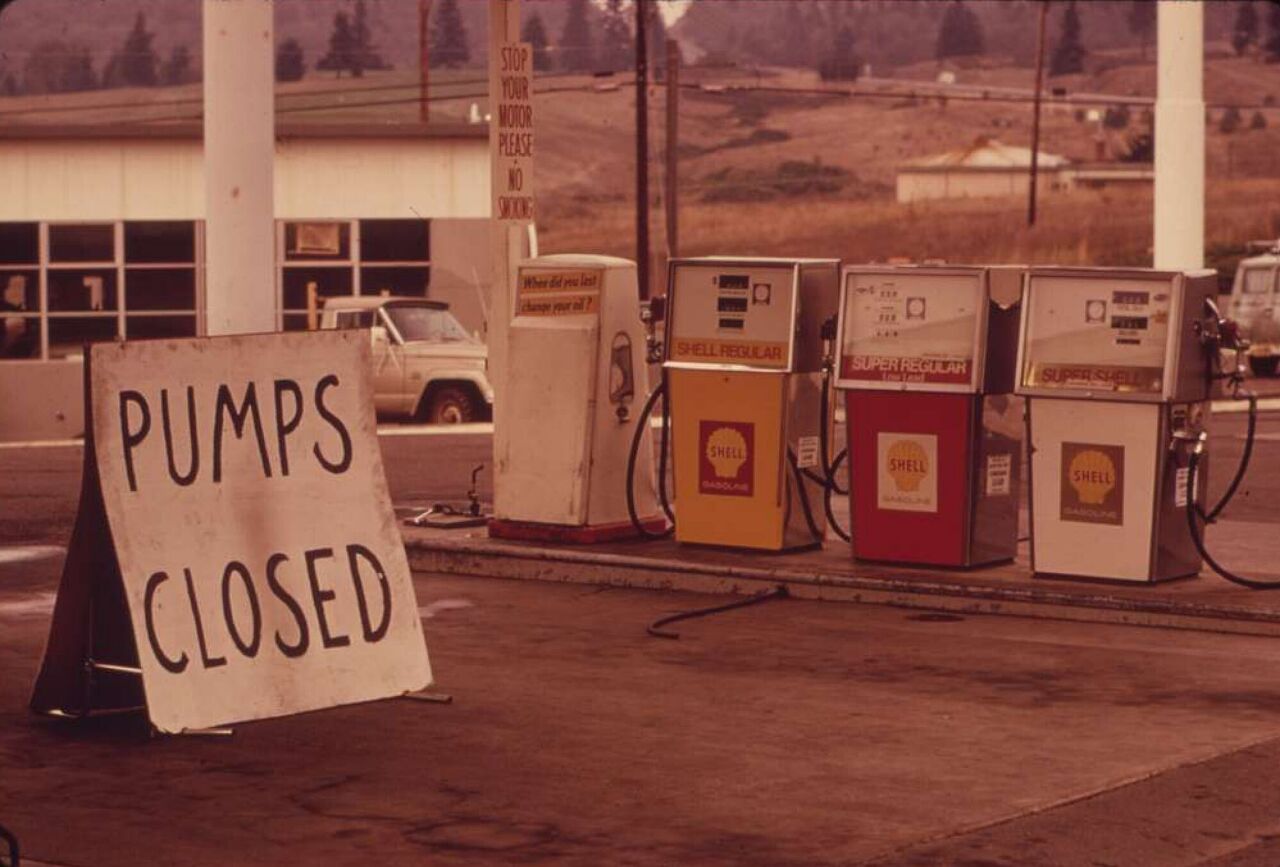
Vehicles suddenly had to comply with improved efficiency standards, as oil embargoes targeting the United States applied additional pressures, while simultaneously adhering to new safety guidelines. The resulting vehicles were often underpowered (relative to their predecessors) and developed a reputation for being unreliable as manufacturers rushed to incorporate yet unproven technologies.
This would persist until American automakers had refined fuel injection systems and other emissions compliance tech roughly a decade later. By the 1990s, cars were once again making good power and boasting superior long-term dependability. Air quality had also improved across the nation by then, helping to rationalize subsequent actions.
Corporate Average Fuel Economy would continue to target higher metrics. Sustained government regulations across most of the Western world resulted in manufacturers complaining that they couldn’t keep pace before we even got to 2010. This encouraged the industry to pivot toward smaller powertrains or exploit regulatory loopholes by fielding increasingly massive automobiles. Electrification similarly became trendy once it became clear that the government was willing to subsidise the resulting products.
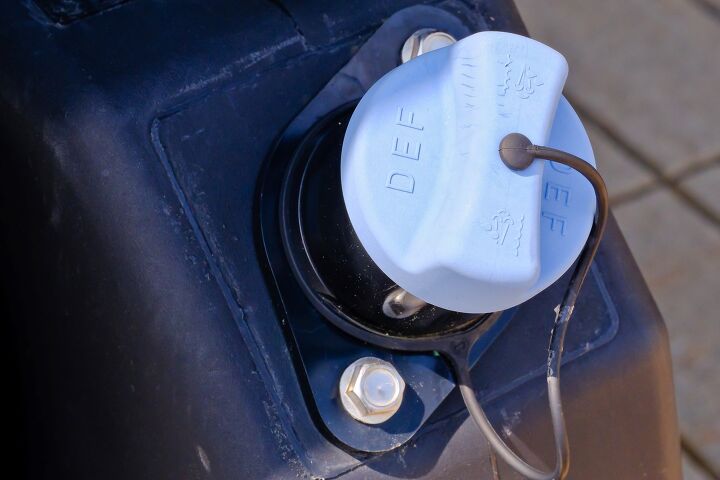
In the middle of all that, combustion vehicles would become subject to loads of new emissions compliance features. While automatic stop-start has been around for decades, we wouldn’t see it become commonplace until the 2010s. This was also the period where Diesel exhaust fluid (DEF) would start to be widely used on trucks, making them smell like an outhouse.
Direct injection (rather than port) would likewise begin to become the norm during this period, yielding performance advantages while creating a new maintenance cycle where surplus carbon deposits would routinely need to be cleaned off intake valves.
Exhaust gas recirculation systems, constant telematics monitoring via connected on-board diagnostics, and other emissions-focused features would also manifest around the same time. The concern has been that the sudden influx of compliance tech may have resulted in expensive, less-dependable automobiles.
Viewed exclusively from the perspective of complexity, that seems like a reasonable assessment to make. Simple machines tend to outlast their more-intricate counterparts just by nature of having fewer items that can break and relying on older (proven/repairable) equipment. Toyota banked on this premise for decades, making itself a fortune in the process.
The simultaneous incursion of Advanced Driver Assistance Systems (ADAS) has arguably worsened the issue. Anyone living in a region subject to harsher winters knows that there’s about 30 days out of the year where sub-zero temperatures will temporarily knock out everything from blind-spot monitoring to lane keeping. Fender benders can likewise incur large repair bills should the relevant sensing equipment be damaged.
It’s not the features themselves, but the accompanying annoyances that make all of the above so unpopular. As previously mentioned, automatic stop-start systems consistently rate as the most-despised feature on modern automobiles despite being extremely common. Modest fuel savings fail to override what many perceive as an unpleasant experience.
This follows the broader trend. An article published by the National Review in 2024, trying to identify the sentiment of swing-state voters, found that 57 percent of U.S. respondents opposed increased emissions regulations for passenger cars.
The most common reasons given tend to be concerns regarding vehicle costs and mounting distaste for any features viewed as invasive or less-than intuitive. In the case of stop-start, drivers universally find the sensation of a vehicle shutting itself off decidedly unsettling. But there are also concerns about oil starvation (especially on turbocharged engines), premature battery degradation, and starter motor wear. Drivers will frequently complain about models lacking the option to shut auto stop-start off and be more tolerant of those that can.
But the same applies to other emission-focused technologies. Diesel owners now have to refill the DEF tank and agree that the resulting smell is wildly unappealing. Owners of direct-injection motors will similarly come out to complain about valve maintenance, as it’s often something they weren’t aware of having to deal with upon purchasing the vehicle.
While other systems tend to see fewer complaints in surveys than auto start-stop, this may be because novel infotainment features have stolen some of their thunder. Touchscreens supplanting physical buttons, subscription fees, and the introduction of facial recognition are all items that even the least-knowledgeable motorists have identified as obnoxious. Studies likewise suggest that the concept of self-driving has declined in popularity as more motorists learn what they’d be giving up in the process.
They may not be aware of some of the maintenance or reliability concerns attached to emissions hardware. But they can certainly identify when something becomes harder to use, feels invasive, or ends up costing more than it used to. This is especially true when they have to interface with it on a daily basis.
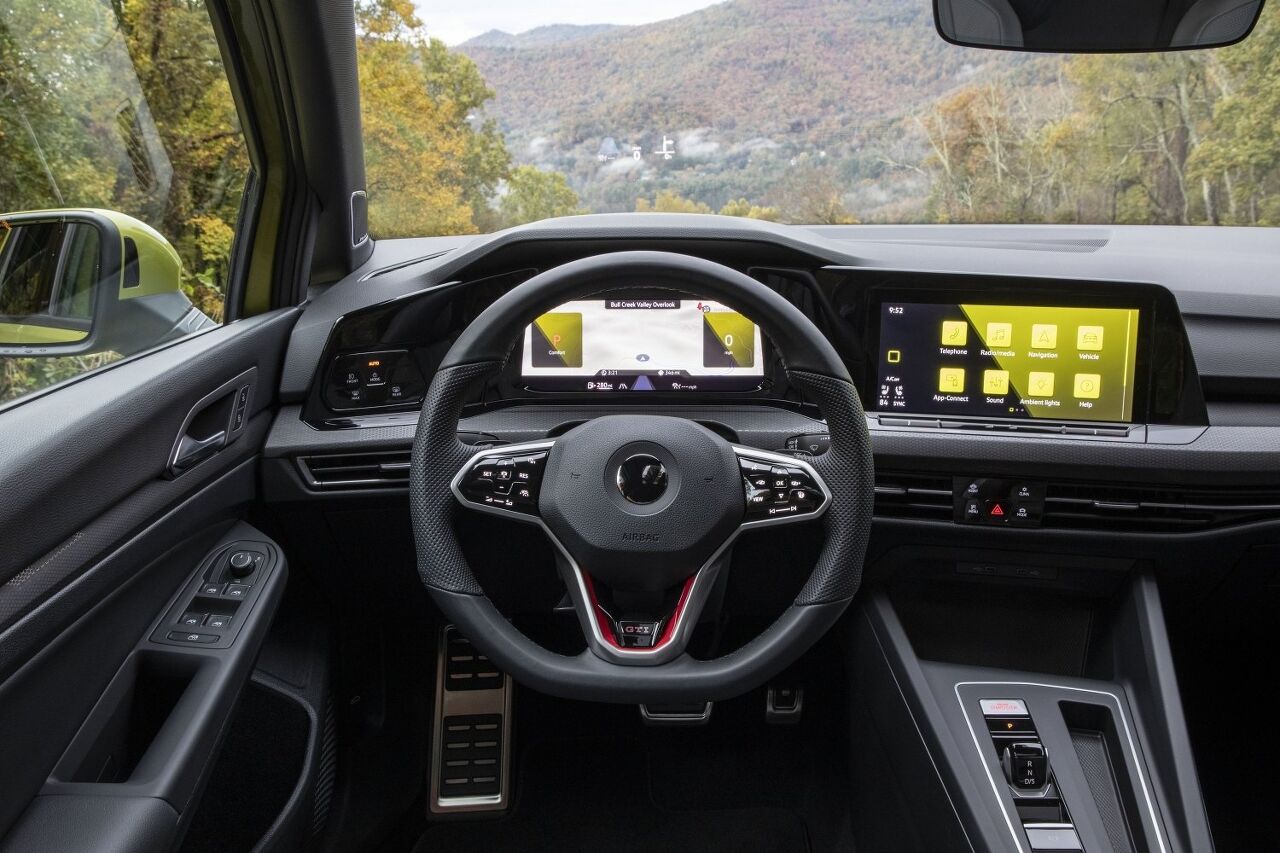
Even though the industry still seems keen to promote automation and subscriptions, insofar as the public will tolerate them, emissions regulations have recently been walked back by the Trump administration. This presumably means that automakers will have extra leeway to produce larger motors and powertrains lacking some of the restrictions associated with chasing regulatory compliance. In fact, we’re starting to see automakers reintroduce V8 powertrains after having done away with them.
Ironically, the White House promoted deregulation as a way of saving car buyers money. But vehicles are more expensive than ever, despite clear signs that buyers are starting to shift toward less-expensive models. It’s hard to say when (or if) those cheaper vehicles will arrive. However, we should see more vehicles designed specifically for our market foregoing some unpopular emissions features. In fact, the EPA has stated that it would be abandoning support of features like auto stop-start due to how unpopular they've turned out to be.
Still, the prospects of that persisting are not guaranteed. Europe has continued running with aggressive tailpipe restrictions with an end goal of requiring all vehicles to emit zero emissions. The United States may also revert back to previous standards after a change in leadership. Democrats have already won control of both chambers of Congress and it seems reasonable to assume they’ll be pushing to undo much of the deregulation introduced since 2025.
How the electorate would respond to this is anybody’s guess.
A study from Carnegie Mellon University suggested that a driver’s willingness to embrace emissions compliance tech and all-electric vehicles hinged largely upon their politics. Democrats were significantly more willing to adopt diesel models when they were still fashionable, before pivoting to hybrids and EVs. Since then, hybrids have gained mass appeal and buyers have gotten more pragmatic as a whole.
Realistically speaking, car buyers have more in common than they don’t. The general trend has been for motorists to become less satisfied with newer vehicle models, regardless of partisanship, and emissions compliance features seem to play a relevant role when they negatively impact the ownership experience. There may be some disparities in terms of which segments people gravitate toward. But there’s a clear limit on what average people are willing to tolerate on their vehicle so the industry can pretend to care about air pollution.
The EPA also is on record as saying that modern passenger cars have eliminated 98-99 percent of the pollutants emitted by their counterparts from the 1960s. At this stage, we may have reached the point of diminishing returns for emissions tech. That’s not to suggest automakers shouldn’t continue striving to maximize efficiency. But continuing to prioritize emission caps over improving the ownership experience may not be doing much more than annoying people.
[Images: Muanpare Wanpen/Shutterstock; Honda; National Archives and Records Administration; Yingna Cai/Shutterstock; Volkswagen; Jakub Snabl/Shutterstock]


